Conservation Land: Ours to share

New Zealand’s conservation land belongs equally to every New Zealander.

But buried inside the Government’s new Conservation Amendment Bill are provisions that continue embedding ancestry-based rights, consultation privileges, co-governance arrangements, and even vetoes into the management of our public land.

New Zealand’s conservation estate is one of the few things that truly belongs to all of us.

Our national parks. Our beaches. Our walking tracks. Our forests. Our coastlines.

These places are part of our shared national inheritance. They should be managed in the interests of all New Zealanders equally, not divided into different categories of rights and influence based on ancestry.

But the Government’s new Conservation Amendment Bill continues the trend that is reshaping how public land is governed in New Zealand.

While the Bill does not introduce dramatic new co-governance structures, it does continue embedding Treaty-based governance mechanisms throughout conservation law and administration.
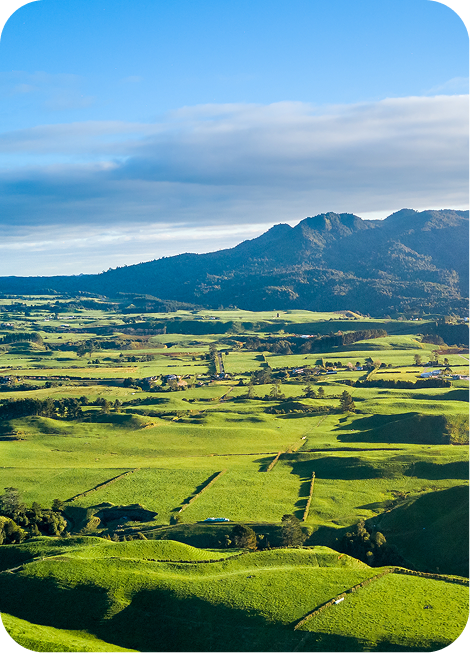

New Zealand’s conservation estate is one of the few things that truly belongs to all of us.

Our national parks. Our beaches. Our walking tracks. Our forests. Our coastlines.

These places are part of our shared national inheritance. They should be managed in the interests of all New Zealanders equally, not divided into different categories of rights and influence based on ancestry.

But the Government’s new Conservation Amendment Bill continues the trend that is reshaping how public land is governed in New Zealand.

While the Bill does not introduce dramatic new co-governance structures, it does continue embedding Treaty-based governance mechanisms throughout conservation law and administration.
The Bill:

  • Preserves special consultation obligations for iwi and Māori groups
  • entrenches the role of post-settlement governance entities
  • requires officials to specifically assess the “rights and interests of Māori” in public land decisions
  • and maintains special permission powers linked to customary marine title areas.

In some cases, ancestry-defined groups retain the ability to approve or decline certain conservation activities within parts of the coastal environment.

This is not about opposing conservation, nor is it about opposing Māori participation in public life. All New Zealanders should be able to contribute to conservation decisions. But public land should remain publicly accountable.

There is a difference between consultation and special governance status, and between participation and institutionalised privilege.

Our concern is not about one clause in isolation. It is the cumulative direction of travel.

Across health, local government, education, resource management, and now conservation law, we are not seeing a slow down in the move toward systems that treat New Zealanders differently depending on ancestry or Treaty status. If anything, everything is just continuing full steam ahead.

Most New Zealanders have no idea these changes are occurring because they are often buried inside highly technical legislation that receives little public attention. And that is a problem because constitutional change should happen openly, democratically, and with public consent.

Conservation land belongs to all of us equally.

It should remain ours to share.

Tell Parliament: Public Land Should Belong Equally to All New Zealanders

The Conservation Amendment Bill is now before Parliament.

We encourage you to add your own thoughts to our submission text.
Send a submission calling for:
  • Equal public governance of conservation land
  • removal of ancestry-based procedural privileges
  • and democratic accountability over public land management.

Submission demanding changes to the Conservation Amendment Bill

Equal access. Equal say. Equal citizenship.
© Hobson’s Pledge 2026